
Does Blowing Your Nose Make Cold Symptoms Worse?
Forceful nose blowing can potentially make cold symptoms worse by creating excessive pressure in the nasal passages, which may push virus-laden mucus into the sinuses or middle ear. This forceful action can increase the risk of developing secondary issues like a sinus infection or ear pain. Dr. Ilya Rachman, MD at Rachman Medical Group, and other experts recommend a gentle approach, advising patients to blow one nostril at a time to effectively clear congestion while minimizing pressure and irritation. For more information, contact us today or request an appointment online. We are conveniently located at 7601 Canby Ave Suite 7 Reseda, CA 91335.
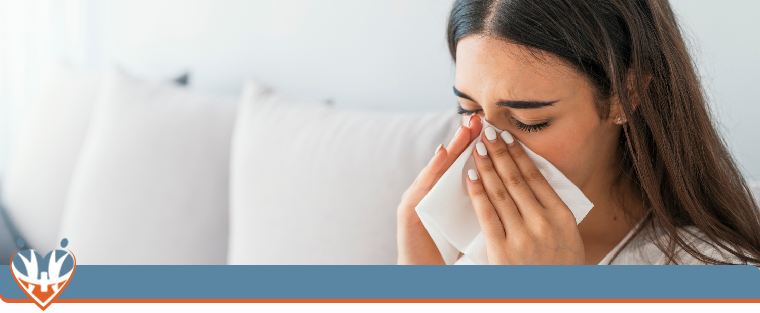

Table of Contents:
How does blowing your nose make a cold worse?
Can blowing your nose too hard cause sinus pain or pressure?
Can blowing your nose spread germs or infection?
When should I see a doctor for nasal congestion that doesn’t improve?
Find Out If Blowing Your Nose Can Make Cold Symptoms Worse with Dr. Ilya Rachman at Rachman Medical Group in Reseda, CA
At Rachman Medical Group, we know that nasal congestion is one of the most uncomfortable symptoms of a cold. It’s natural to reach for a tissue and blow your nose, but did you know that blowing your nose too forcefully can actually make your symptoms worse?
When you have a cold, the lining of your nasal passages becomes inflamed and produces extra mucus as your body fights the infection. If you blow your nose too hard, the pressure inside your nasal passages can actually push some of this mucus—and the viruses or bacteria it contains—back into your sinuses. This backward flow can increase your risk of developing a sinus infection, also known as sinusitis, something we frequently treat at Rachman Medical Group.
Vigorous nose blowing can also irritate the delicate tissues inside your nose, leading to increased swelling, more congestion, and even nosebleeds due to burst blood vessels. Our providers often see patients who could have avoided these issues by using gentler techniques.
Our Recommendations:
• Blow your nose gently, one nostril at a time.
• Use soft tissues to reduce irritation.
• Stay hydrated to help thin mucus naturally.
• Consider saline nasal sprays or rinses to relieve congestion safely.
If you’re struggling with persistent congestion, sinus pain, or frequent nosebleeds, the team at Rachman Medical Group is here to help. We can provide personalized advice and treatment to help you recover comfortably and avoid complications.
At Rachman Medical Group, we frequently see patients experiencing sinus pain or pressure, especially during cold and allergy season. One common cause that is often overlooked is blowing your nose too hard.
When you blow your nose forcefully, you can increase the pressure inside your nasal passages and sinuses. This pressure may push mucus back into the sinus cavities or even into the middle ear, leading to discomfort, pain, or a sensation of fullness. In some cases, this can contribute to inflammation or worsen existing sinus congestion.
Aggressive nose blowing can also irritate the delicate lining of your nasal passages, causing them to become more swollen and inflamed, which can amplify sinus pressure.
Occasionally, blowing your nose with too much force may even cause small blood vessels in the nose to break, resulting in nosebleeds or minor injuries to the sinus area.
Our Recommendations:
• Blow your nose gently, one nostril at a time.
• Use saline sprays or steam inhalation to help loosen mucus if you are congested.
• Avoid excessive force to reduce the risk of pain and injury.
If you experience persistent or severe sinus pain after blowing your nose, it could indicate an underlying sinus infection or another medical condition. The team at Rachman Medical Group is here to help. Please schedule an appointment with us for a thorough evaluation and personalized treatment plan.
At Rachman Medical Group, we care about your health and the well-being of our entire community. Blowing your nose is a simple way to relieve nasal congestion, but did you know it can also contribute to the spread of germs and infections if not done properly?
When you blow your nose, especially with force, tiny droplets containing viruses or bacteria—such as those causing the common cold or flu—can become airborne or settle on your hands, tissues, and nearby surfaces. These germs can survive on surfaces for hours, increasing the risk of transmission to others who come into contact with them.
Our clinical team at Rachman Medical Group recommends the following steps to keep yourself and others safe:
• Always use disposable tissues instead of reusable handkerchiefs.
• Throw used tissues away immediately to prevent germs from lingering.
• Wash your hands thoroughly with soap and water or use hand sanitizer after blowing your nose.
• Blow your nose gently to reduce the risk of forcing infection back into your sinuses or middle ear, which may cause further health issues.
Practicing these simple hygiene steps helps protect not only your health but also the health of your family, coworkers, and the broader Rachman Medical Group community. If you have questions about cold prevention or need advice on managing symptoms, our caring providers are here to help. Schedule an appointment with Rachman Medical Group today for personalized care!
If you are experiencing nasal congestion that does not improve after about a week, it may be time to schedule an appointment with Rachman Medical Group. Persistent congestion can sometimes indicate more serious conditions, such as a sinus infection, nasal polyps, or allergies that require medical evaluation and treatment.
You should also seek care from our experienced providers if your congestion is accompanied by symptoms like high fever, severe facial pain, swelling around the eyes, thick or discolored nasal discharge, difficulty breathing, or if you notice blood in your mucus.
Additionally, if you have underlying health concerns such as asthma or a weakened immune system, it is especially important to consult with a healthcare professional at Rachman Medical Group sooner rather than later. Early evaluation can help us determine the cause of your symptoms and ensure you receive the appropriate treatment to help you feel better.
At Rachman Medical Group in Reseda, CA, Dr. Ilya Rachman and his experienced team provide personalized care to help you manage cold symptoms effectively. While blowing your nose may offer temporary relief, it can sometimes lead to increased pressure in your sinuses, potentially worsening congestion and prolonging your symptoms. Dr. Rachman explains that excessive nose-blowing can irritate the nasal passages and even lead to ear pressure or sinus infections.
Dr. Rachman emphasizes the importance of proper techniques and treatments to alleviate cold symptoms without making them worse. If you’re feeling congested, Rachman Medical Group offers effective remedies like saline sprays, steam inhalation, and decongestants, all tailored to your specific needs. Our team is committed to helping you recover quickly with a compassionate, patient-centered approach, ensuring you feel your best as soon as possible. For more information, contact us today or request an appointment online. We are conveniently located at 7601 Canby Ave Suite 7 Reseda, CA 91335. We serve patients from Reseda CA, San Fernando CA, Twin Lakes CA, Hidden Hills CA, Burbank CA, and BEYOND!

Additional Services You May Like
▸ Primary Care
▸ Medicare
▸ Diabetes
▸ Hypertension
▸ Medicare Advantage Primary Care
▸ Internal Medicine
▸ Management of Chronic Conditions
▸ Primary Care for Medicare Patients
▸ Type 1 Diabetes
▸ Type 2 Diabetes

Additional Services You May Like
▸ Primary Care
▸ Medicare
▸ Diabetes
▸ Hypertension
▸ Medicare Advantage Primary Care
▸ Internal Medicine
▸ Management of Chronic Conditions
▸ Primary Care for Medicare Patients
▸ Type 1 Diabetes
▸ Type 2 Diabetes


 Send Text